
Piotr Skobało

CEO & Managing Partner, Magna Valor
Manager with over twenty years of experience in international logistics, supply chain management, and customer service. He has worked across manufacturing, retail, e-commerce, and logistics services.
For many years he was personally responsible for the entire supply chain function - from strategy development to successful execution - at multi-billion-dollar organizations such as Whirlpool, Cersanit, Neonet, and Rhenus Logistics, as well as fast-growing companies like Selsey.
He managed budgets worth hundreds of millions of złoty, leading development and optimization projects with a real impact on operational results and EBITDA. He currently serves as Business Partner for the Europe region at Tompkins Ventures, is a Gartner Peer Community Ambassador, and lectures on MBA programs at Kozminski University and WSB Merito. He is also a member of the E-Commerce Logistics Experts Association and hosts the "Rozmowy Logistyków" podcast (Polish-language).
He also serves as Managing Partner at Magna Valor, a consultancy specializing in logistics and supply chain management.
LinkedInArticles by This Author (91)
Supply Chain Resilience: What Downtime Really Costs vs. a Safeguard
Piotr Skobało on finding single points of failure hidden behind apparently independent suppliers, doing the math on downtime cost vs. safeguard cost, and why a uniform safety stock across the whole assortment is one of the most common ways to overpay for peace of mind.
Customer Service Is Logistics' Free Early-Warning System
Piotr Skobało on why logistics and customer service must manage one shared process — order status visibility, three levels of escalation, and shared KPIs instead of local metrics for each department.

An Employee's Vacation Can't Mean a Vacation for the Whole Process
Five signals that your company's logistics depends on one person, not a process — why "primary process blocked" is the worst outcome of a vacation, how to split tasks into three groups before leaving, and why it's worth reading your inbox newest-first when you get back.

IKEA: Logistics for 10,000 Products, From a Candle to a Kitchen
Sebastian Kaczmarski (IKEA) on reconciling a mixed product range, a hybrid store-warehouse network, and near-40% online sales into one delivery system — from the rule that "the most experienced people work loading" to AI pilots in order orchestration.

Q4 in Logistics Starts in August, Not November
Seasonal hiring, volume commitments to carriers, reslotting for the sales peak — most of the decisions that will determine your fourth quarter stop making sense after mid-September. Piotr Skobało sorts the preparations by one criterion: lead time, not importance.

Warehouse Productivity Metrics: Why One Unit of Measurement Is Never Enough
Units per hour, lines per hour, pallets per hour — a seemingly simple topic that differs drastically between e-commerce and B2B, and can distort the whole picture if you pick the wrong unit.

The Power of the Checklist: Why the Best Organizations Don't Rely on Memory
Aviation, medicine, nuclear power plants — environments where a mistake costs the most have long relied on checklists. Why does logistics still treat them as a tool for beginners?

How Tubądzin Automated Picking for Tiles Weighing Dozens of Kilograms
Pallets weighing up to 1.5 tons, tiles 3 meters long, and picking staff manually moving dozens of tons a day — Tubądzin's head of logistics, Jolanta Gałązka, on a revolution that took the strain off workers' backs and raised productivity without a single layoff.

7 Signs Logistics Is Holding Back Your Company's Growth
Sales are growing, but the warehouse is falling apart? Check seven signs that tell you logistics is starting to hold back your company's growth — before your customers notice.

Who's Really Ahead of the Market in Warehouse Automation
From 800 robots at LPP to French technology at Intercars — Ilona Miziewicz-Groszyk (Logistyka 360, Smart Warehouse) on what separates companies that actually deploy automation from those that only talk about it.

Where Does the Money in Transport Really Leak? Rarely Where Companies Look
The rate per kilometer isn't the whole cost of delivery. After 20 years of buying roughly 3 billion złoty worth of transport — a review of what most companies aren't counting, but should be.

Stocktaking Without Chaos: A Checklist to Get Your Warehouse Through Physical Inventory
A few hundred people counting a warehouse over a weekend, a clock counting down to Monday's sales opening, and a CEO asking about the result on Sunday evening — after dozens of stocktakes, a list emerges of things you can't afford to skip.

Fuel Price Spikes and a Wave of Bankruptcies: Why the Transport Market Is Swinging Back to the Carrier
Over 550 transport company bankruptcies in Poland in 2025, and industry debt reaching 2 billion PLN — a sudden jump in fuel prices exposed how many carriers weren't tracking their own profitability. What does this mean for companies buying transport?
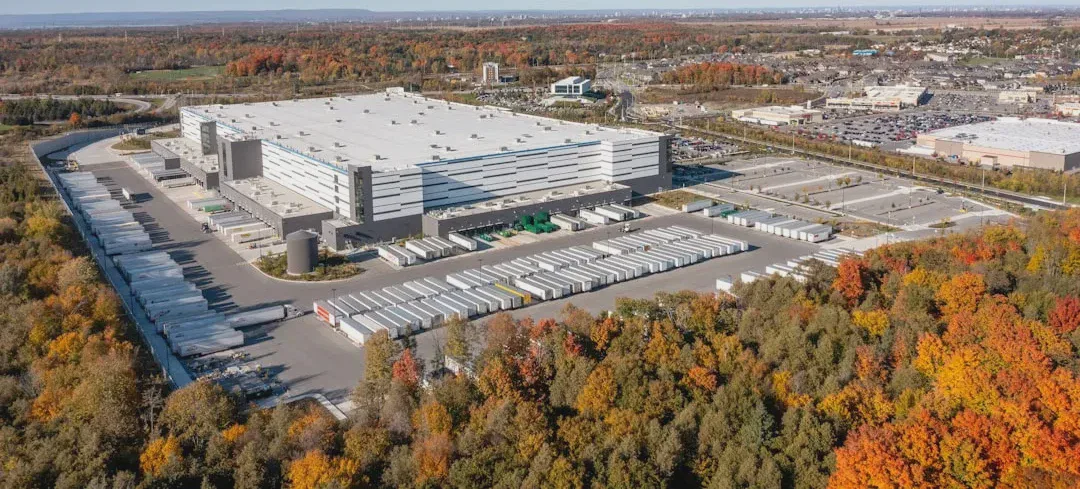
From Strategy to Execution: Supply Chain Transformation in CEE
Central and Eastern Europe (CEE) has become one of the most dynamic logistics and manufacturing regions in the world. Its strategic location, rapidly developing infrastructure, and strong industrial base make…

Planning System: On-Premise or SaaS? Calculate the Inventory Impact Before You Choose the Technology
On-premise hurts up front, SaaS hurts less but longer. A business case from a real project shows why this choice isn't a technology decision, it's a decision about the company's cash flow.
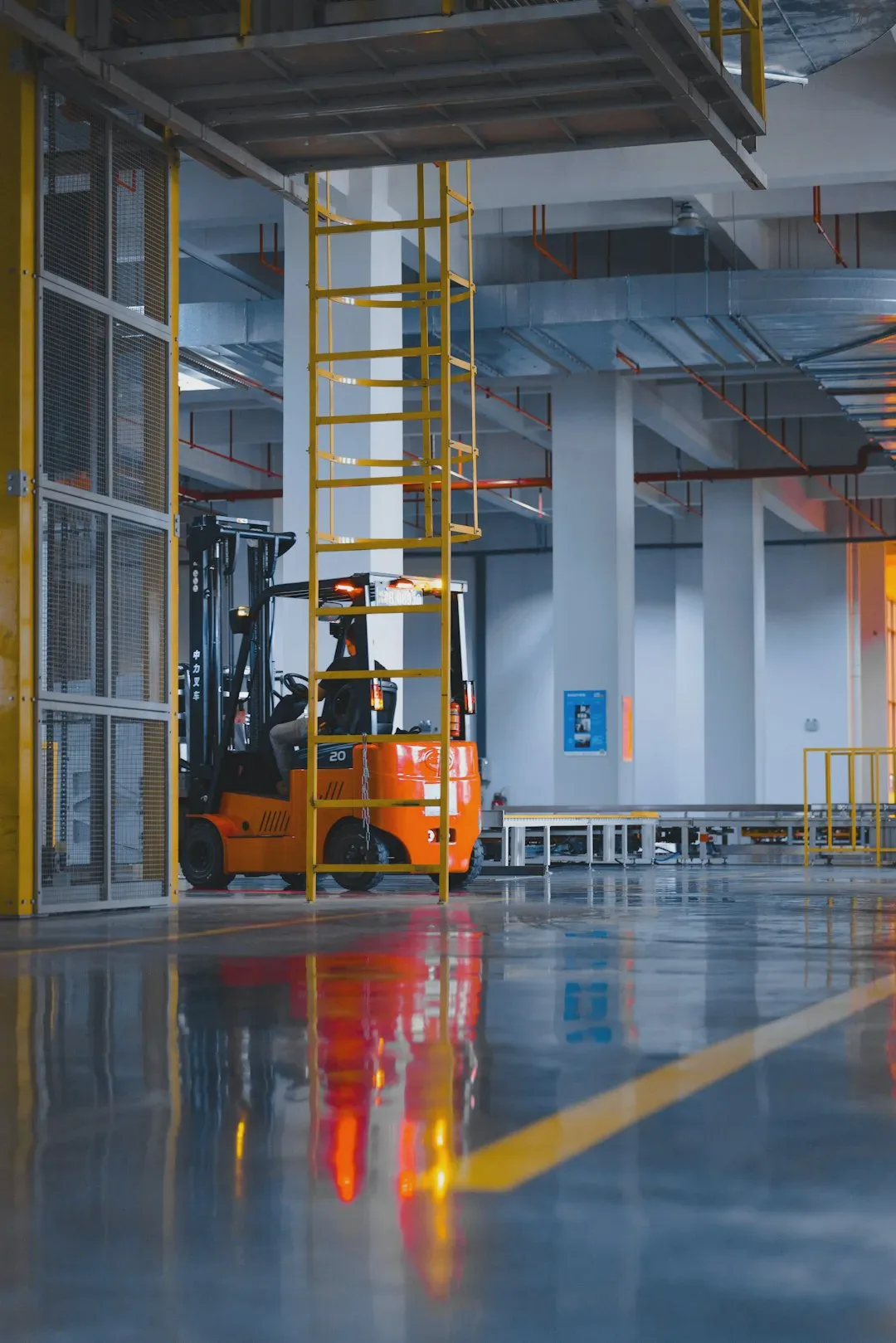
WMS Implementation Pitfalls: What Goes Wrong and How to Avoid It
Warehouse Management System implementations promise lower costs, shorter lead times, and better inventory control. And yet, many projects struggle with delays, scope creep, and endless fixes after go-live. Why does…
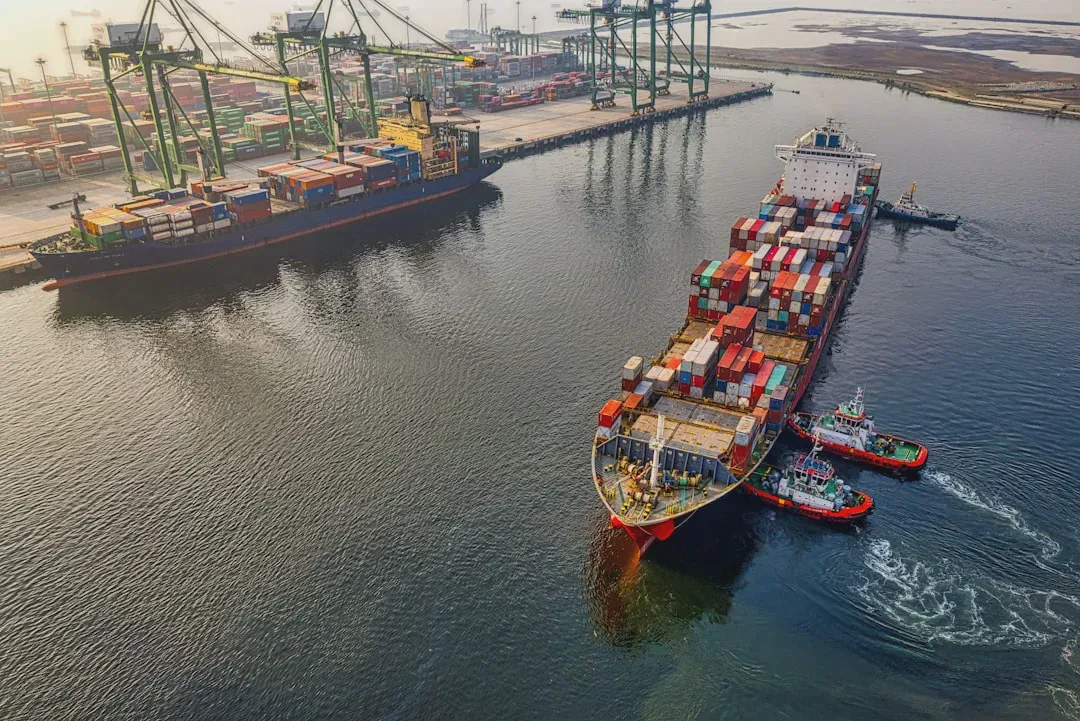
Smart Strategy in Turbulent Logistics: Scenarios, Numbers, Discipline
The logistics industry today operates in a world where stability is the exception, not the rule. Demand fluctuates unexpectedly, costs change faster than contracts can absorb, and regulations can reshape…
Artificial Intelligence in Supply Chains: From Data to Decisions
Years after artificial intelligence became one of the most discussed topics in technology, its real impact is no longer limited to innovation labs or experimental projects. Today, AI is actively…
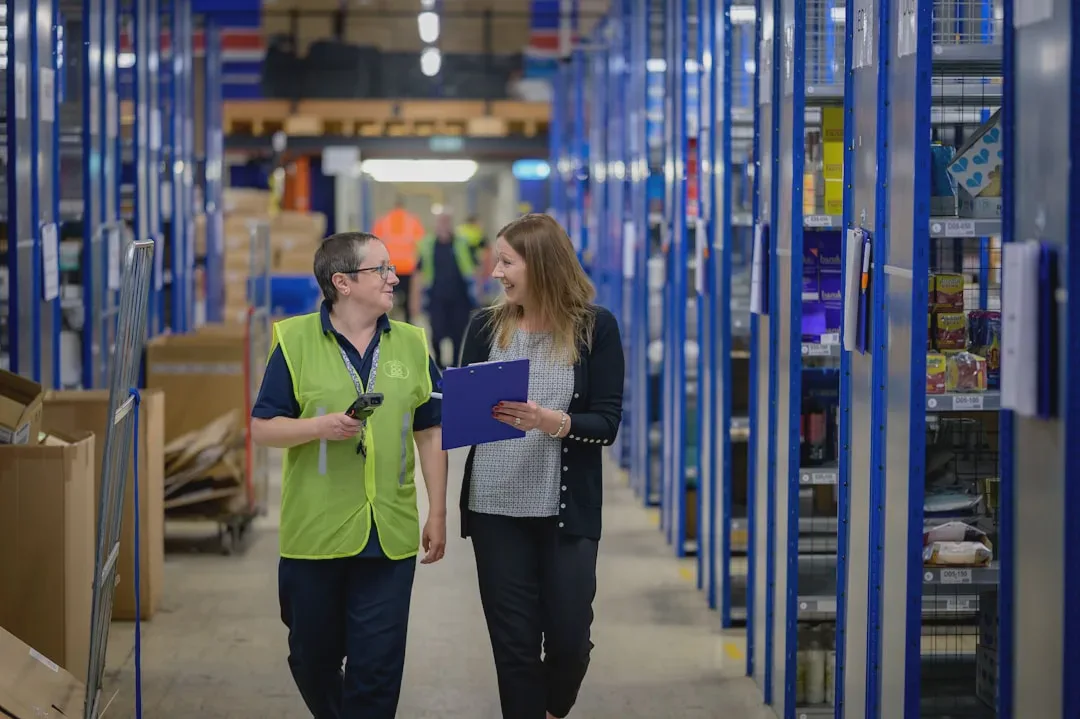
When a "Green" Project Plan Is Not Enough
Years after companies started heavily investing in digital transformation, Warehouse Management Systems have become one of the key tools supporting logistics operations. Yet, what looks structured and predictable on a…

80% of Digital Transformation Projects Miss Their Goal — Here's Why
McKinsey did the math: 80% of digital transformations in the supply chain fail to deliver their intended business goals. The problem rarely lies in the technology — it lies in who's actually running the project, and what for.

The End of Silos: Why a Single Leader Isn't Enough Anymore in the Age of AI and Geopolitics
Commoditization, tariffs shifting week to week, and AI expected to decide faster than a human can — organizational transformation expert Tomasz Mnich on why the companies that survive will be the ones thinking in decades, not quarters.

2.5 Years of Rozmowy Logistyków: What Landed, and What We're Asking Listeners Next
After a solid two and a half years of the podcast, Piotr and Adam check which episodes really landed — and openly ask listeners which direction it should go next.

The Logistics Professional as Translator: Why Communication Is the Work of the Organization's Bloodstream
The head of transport thinks in ton-kilometers, the accountant in złoty, production in labor hours. Communication expert Artur Olejniczak and Piotr Skobało on why good communication in logistics isn't an add-on to the job, it's the job itself.

From Planner to Director: What a Real Logistics Career Path Looks Like
Both landed in logistics by accident — one through an internship at Whirlpool, the other by winning a demand-forecasting contest at Avon. 20 years later, they sum up what actually leads from a specialist role to the director's chair.

The Third Way of Innovation: How LEGO Saved Itself Without Radically Changing Its Product
Not a new model every year, and not a total business overhaul either. The third way of innovation that got LEGO out of the biggest crisis in its history also applies wherever a service has long since become a commodity — like transport.

The Logistics Year 2025, Month by Month: Automation, Consolidation, and the Deposit Return System
From Żabka's semi-automated fulfillment center to the launch of the deposit return system — a review of the events that shaped Polish and European logistics in 2025.

Which Logistics Reports Actually Influence Board Decisions, and Which Are Just Pretty PDFs
Dozens of supply chain reports circulate around the industry, but only a few of them genuinely change CEO and CFO decisions. A review of the ones worth having on your radar — and why.

The Process Defines the Building, Not the Other Way Around: How to Design a Warehouse That Supports Operations
First we lease the building, then we figure out how to work in it — the most common mistake in choosing a warehouse. The Head of Commercial at 7R explains why the order should be reversed.

5 Pillars of BYD's Supply Chain That Took Chinese Auto to the Top
From batteries to chips, to its own fleet of ships and lithium mines — how Build Your Dreams built a supply chain that came through the chip crisis unscathed and today competes with German quality.

5 Elements of a Transport Contract That Cost More Than the Per-Kilometer Rate
A negotiated price per kilometer is just the starting point. Here are five areas of a road transport contract that decide what you'll actually pay — and who covers the loss when something goes wrong.

Logistics Contracts That Actually Work: 5 Elements It's Easy to Forget
A good logistics operator contract isn't measured in pages, it's measured in precision. Here are the clauses that most often decide whether your contract actually protects you, or just looks good.

How LPP Logistics Manages 700,000 m² of Warehouses and Survived a Fire in 48 Hours
A fire destroyed 150,000 m² of LPP's center in Romania. Within 48 hours, the entire warehouse operation was back running from Poland. LPP Logistics' CEO on the scale, robotics, and strategy that made it possible.

Insourcing or Outsourcing the Supply Chain: Why Inventory Management Is Better Kept In-House
Agata Skrzyszowska (Ofi) on outsourced demand planning that ended in full warehouses where there was no sales, and shortages right at peak season — and why "it depends" usually means "no" for strategic functions, even when it looks great in a spreadsheet.
What to Put in a Logistics Operator Contract: SOPs, KPIs, and an Exit Clause
70-85% of companies in Western Europe outsource warehouse logistics — but a contract and a price list alone aren't enough. A review of the elements a logistics operator contract needs, to protect the business in both good times and bad.

MZ Store: How a Polish Supplement Maker Sells in Over 30 Markets, From the US to Australia
Łukasz Szostko (MZ Store) on why he chose exotic markets over the obvious choice of Germany, how translating a website into 24 EU languages took a week instead of the months it once did, and why a warehouse near a FedEx airport hub could deliver a parcel from Gdynia to New York faster than a local store.

Whirlpool: When Even a Model Supply Chain Isn't Enough to Beat the Competition
Piotr Skobało on five years in Whirlpool's logistics — the MEA region shipping 200-250 full trucks a day, the build-to-order process, and why, despite one of the industry's most modern supply chains, the company sold its European and Asian operations to Turkey's Arçelik.

Strategic Procurement at BSH: How the Purchasing Department Becomes a Logistics Partner, Not Just a Cost Center
Igor Piętak (BSH, maker of Bosch and Siemens appliances) on total cost of ownership, dashboards tracking escalations down to individual deliveries, and how a logistics veto can change the outcome of a supplier tender.
When Will We Get Drone Delivery? Walmart Has Already Made 150,000 Flights, In Poland It's Still a Legal Challenge
Walmart delivers eggs and tissues by drone in 19 minutes, Zipline in Rwanda has made 1.5 million medicine deliveries — but in Poland, every flight has to be reported separately to the civil aviation authority, the police, and the city council, zone by zone. An analysis of where drone delivery actually makes business sense.

How to Find a C-Level Logistics Executive: There Are Fewer Than 500 in All of Poland
Agnieszka Mazurek-Szulim, an Executive Search headhunter, on the narrow market for supply chain directors in Poland, checking references with former subordinates instead of just former bosses, and why a failed director-level hire costs far more than 30-60% of annual salary.

Why 93% of Companies Say They'll Automate Their Warehouse, But Only 43% Actually Do
From logistics-operator contracts too short to justify the investment, to bags of salt used to trick ASRS weight sensors — an analysis of seven barriers holding Polish warehouse automation back to a crawl, despite near-universal declarations of intent.

Avon: How a Company Ready for E-Commerce 20 Years Early Lost Three-Quarters of Its Revenue
An analysis of the fall of Avon Cosmetics — from 12 billion dollars in revenue and state-of-the-art warehouse automation in Garwolin, Poland, down to 2.7 billion dollars in 2023. Proof that the best logistics in the world won't save a company if its sales model can't keep up with the market.

How KION Group Manages Risk in a Global Forklift Supply Chain
Jakub Watęborski (KION Group) on mapping suppliers down to the fifth tier, tools that track hurricanes flooding quartz mines, and why risk management is accessible even to companies without a multi-million-dollar budget for a dedicated team.
3 COO Challenges That Decide Whether a Company Survives
From synchronizing strategy with operations to managing talent — why the Chief Operating Officer is sometimes called the organization's "hand of the king," and how 2 cents of packaging savings once cost an appliance manufacturer several million euros in supply chain costs.

How Much Is Your Online Store Worth? Behind the Scenes of E-Commerce M&A
Krzysztof Murzyn, a transaction advisor specializing in e-commerce M&A, on three ways to value an online store, working capital as a hidden metric, and why eObuwie sold for 160 million while its remaining stake grew to over 500 million złoty.

7 Ways to Develop Competencies in Logistics (Because Old Standards No Longer Cut It)
From mentoring and CSCP certifications to building a culture of continuous improvement — seven concrete paths for developing a logistics leader's competencies and their team's, because what worked a few years ago isn't enough anymore.
Amica: How to Plan a Supply Chain for 20,000 Containers and 6,500 SKUs
Dawid Kujaczyński (Amica) on S&OP planning at the scale of an international appliance manufacturer — different business models in every market, two-level forecast accuracy tracking, and a platform built almost by accident during COVID that now manages exceptions instead of manual copy-pasting.
Logistics Outsourcing: Seven Mistakes That Cost the Most
No clear strategy, a contract with no measurable SLA, an incomplete calculation of switching costs, and too much dependence on a single operator — a review of the mistakes that most often wreck relationships with a logistics operator, and practical ways to avoid them.

Asia vs. Europe: Why Chaos in Last-Mile Logistics Sometimes Beats Consistency
Ola Jaroskiewicz, an e-commerce manager now working from Thailand, on the gig economy in last-mile delivery, snakes turning up in parcels, and why large Western companies have to go hyper-local to compete in Asia.
5 Mistakes That Kill a WMS Rollout (and How to Avoid Them)
From a few hundred thousand to several million złoty — that's the range a warehouse management system rollout can cost. Five of the most common project mistakes that blow the budget and schedule by tens of percent before the system even goes live.

Omnichannel: Why the Customer Belongs to the Brand, Not the Sales Channel
Jakub Gierszyński (Decathlon, Sephora, Intercars) on the evolution of Polish e-commerce from single-channel to omnichannel — and why the biggest deployment challenge is never technology, but people and processes.

The Logistics Year 2024, Month by Month: Floods, Ransomware, and a €14.3 Billion Acquisition
DSV buys DB Schenker for €14.3 billion in cash, the biggest deal of the year, while a ransomware attack on Blue Yonder locks up fresh-goods warehouses at British retail chains. A review of the events that shaped logistics in 2024.
Four Steps to Reducing Inventory: Why Working Capital Is a Game Worth Playing
Cost of goods sold (COGS) eats up 50-70% of revenue in retail — far more than logistics costs alone. Inventory, not transport, is the biggest cost in the supply chain. Four concrete levers you can use to influence it.
MODIVO and Packeta on the Cross-Border Trend: Why 1,600 km to Romania Is an Inventory Problem, Not a Transport One
A customer in Poland waits a maximum of two days for delivery. How do you keep that standard when the warehouse is 1,600 kilometers from the customer? MODIVO solved it by opening a logistics center in Bucharest — no longer pure cross-border, but something between that and full international expansion.

Two Logistics Center Openings: Strategic Greenfield vs. Reacting to Urgent Need
One project started with full network planning and site selection. The other kicked off because in March the company realized it wouldn't be able to handle Q4 with its current capacity. Comparing two real logistics center openings from the Warehouse Trend conference.

Feminine or Masculine? What Leadership Styles Say About the Future of Logistics
Only 18% of top management in Polish logistics is women — but research from the pandemic period shows that companies managed in a transformational style (characteristic of feminine leadership) outperformed those focused purely on transactional profit.

Q4 Starts Eight Months Earlier, Not in October
If a component takes 3 months to manufacture, and distribution from Asia takes another month and a half, Q4 planning has to start in spring, not fall. How much lead time you really need depends on how far your supply chain reaches.
I Don't Like the Word "Audit," But a Periodic Logistics Check-Up Is Like a Doctor's Visit
Everyone's cortisol spikes the moment they hear "we're going to audit you." And yet without someone from outside asking questions, it's hard to know whether an operation is really running as well as it seems to the team that's grown used to it.

Pedro Martinho: Why a Logistics Director Must Love the Customer, Not Just the Numbers
Automating two Frisco warehouses cut headcount by 80% and raised picking accuracy to practically 100% — but, as the former Eurocash and Frisco board member points out, that still doesn't replace the most important competency: genuine care for the customer.

How Manufacturers Enter E-Commerce: When a Warehouse Built for B2B Meets the Individual Customer
A B2B order is a pallet to a store. An e-commerce order is 1.7 units packed separately — and the customer receiving it will post on Google that the box was dirty or too big. A panel with GLS and the Logistics Commerce Association on the reality of manufacturers entering omnichannel.
Supply Chain Matchmaking: The Tompkins Ventures Model, Three Employees on the Payroll
170 business partners in 41 countries, over half a million dollars in overhead, but only three people on the payroll. Jim Tompkins on how he built a consulting firm bigger than McKinsey, Accenture, and IBM combined — without hiring anyone.
Six Things a CEO Should Know About Their Supply Chain
"A good logistics person can do anything, just not everything at once" — cheap, fast, and always available are three goals, of which you can pick at most two at a time. The rest comes down to how deliberately the CEO understands these trade-offs.

Jim Tompkins: "Optimization Is Outdated" — Why Optionality Beats Efficiency
A PhD in industrial engineering and founder of 15 companies with combined revenue over 2 billion dollars, he spent 50 years watching the supply chain evolve from pure cost efficiency to today's era of resilience and respect in the boardroom.

Visibility Inside the Warehouse: When 20 Centimeters Changes Everything
They couldn't find the employee for two hours — he was asleep on a forklift between the refrigerators. With a real-time tracking system, it would have taken 5 seconds. How location accuracy from 2 meters down to 20 centimeters changes what's possible in a warehouse.

Artgeist's CEO: How One Centimeter of Packaging Generates Million-Dollar Costs
The company spent months testing entry into the Latin American market — the project went into a drawer once it turned out the return rate was impossible to absorb. CEO Olga Adamkiewicz on what she learned about supply chain running a Just-in-Time manufacturer shipping to 26 countries.
Five Moments When It's Worth Reaching for Logistics Consulting
"We deployed an ERP, the ERP will sort out our processes" — a consultant once heard that from a managing director who had turned down external support before a system rollout. The problems stayed exactly the same.
The Chain of Life: Why Logistics Professionals Burn Out Faster Than Others
Someone set the wrong parameters in the system, and so much toilet paper arrived at the warehouse that the manager stacked pallets of it in the planning team's office — "so they'd know what they'd done." Behind every logistics mistake like this sits a real psychological cost, not just a financial one.
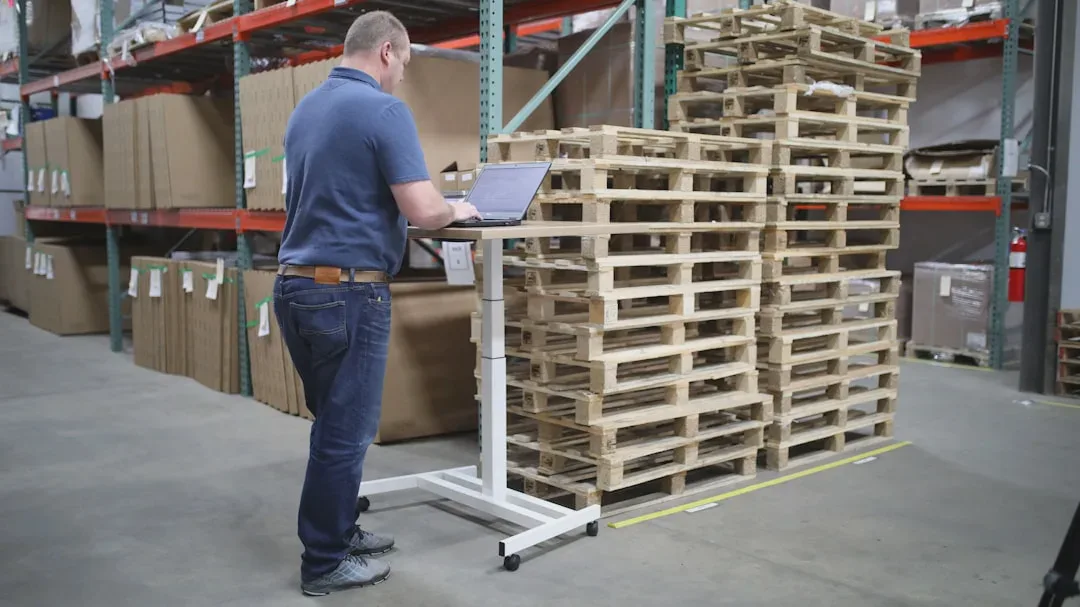
Why do you need Warehouse Management System
Years after the publication of Marc Andreesen's article – Why software is eating the world? lines of code are still revamping industries, generating revenue streams, and completely eliminating the need for physical…

Supply Chain Digital Twin – How to build it
Digitizing the Supply Chain is the goal of modern organizations. Yet 84% of digital transformations fail. What are we doing wrong? What are the key success factors? It's easy to…
6 things CEO should know about supply chain
Often executives view Supply Chain solely as cost generation area. They often overlook the complexity of operational processes. Why is it like this in so many organizations? According…

Supply Chain Visibility: Why "Where's My Package" Is a Third of Call Center Calls
The customer doesn't care whether you've already shipped it — they care when they'll get their order. That difference in how you approach supply chain visibility can be worth a full NPS point for every percent of improvement in delivery-forecast accuracy.

The Last Mile in 2035: What Will Really Change, and What Will Stay the Same
Drone delivery sounds futuristic, but the truth is blunt: delivery speed isn't decided by transport, it's decided by where the stock sits. Speculating on what the last mile will look like a decade from now.

Project Management in Logistics Starts With Managing Yourself
We deployed an ERP expecting it to sort out our processes on its own — two years later, the problems were exactly the same. Project methodology is not a substitute for thinking through what we actually want to achieve.

How Much Does a Warehouse Worker Earn: Warehouse Labor Budget From Base Pay to Benefits
"I'll be there tomorrow, so you'll be happy" — a forklift operator candidate replied when a warehouse manager tried to schedule an interview two years ago. The candidate's market has cooled since, but pay differences still depend on more than just the base rate.

Why WMS If I Already Have ERP? A Company With 40 Million Euros in Revenue Still Works on Paper
Onboarding a new warehouse worker takes three months there — because every receipt and every issue first lands on paper, and then a separate person manually types it into the ERP. When does a WMS stop being a "nice-to-have" and become a necessity?

70% of Companies Don't Have a Written Logistics Strategy. That's an Opportunity, Not a Problem
A logistics strategy starts with a conversation with sales, not with the warehouse — because until you know what the company wants to sell and where, you can't design a network to support it.

How Much Do You Earn in Logistics: Why Salary Reports Lie With Averages
Salary bands in market reports can be inflated by 20-30% versus the real market — and yet logistics pay has grown more slowly than inflation in recent years. How to read these numbers with a clear head.

How Much Have You Been Robbed: Stocktaking, Data Hygiene, and Warehouse Security
A warehouse manager, a warehouse worker, a driver, and a security guard — an entire organized group carrying goods home. After decades in logistics, stories like this add up to hundreds, not dozens.
Logistics Challenges 2024: Labor Shortages, Cheap Competition, and the Deposit Return System
Unemployment in Poland at a historic low, Ukrainian carriers competing on price the way Polish carriers once competed with German ones — a New Year review of the challenges ahead, each with a corresponding opportunity on the flip side.

AI in Logistics: From Demand Forecasting to Right-Turn-Only Routes
UPS programmed its routes so trucks would only turn right — avoiding left turns at lights delivered a double-digit fuel-efficiency improvement. Artificial intelligence has been at work in logistics for decades, just not always under that name.
What a Logistics Director Is Really Measured On: The Holy Trinity of KPIs
"We're here to make money, not to make customers happy" — someone once heard that in a meeting with the owner. Cost, service, and inventory turns are the three metrics a logistics leader must constantly balance trade-offs between.

Inventory Management: Where Should the Responsibility Sit?
Optimized inter-branch transport cost 20 million PLN a year and everyone was happy with truck fill rates above 90% — until it turned out the same goods were traveling back and forth, because no one actually owned inventory planning.
How to Cut Transport Costs Without Changing Company Strategy
Transport is usually about half the logistics budget — and at companies with a high return rate, as much as 70%. Four levers you can pull operationally, without rebuilding the entire distribution network.

How to Cut Logistics Costs Inside the Warehouse: Picking, Bonuses, and Stock Hygiene
Picking and put-away usually account for 50-60% of warehouse operating costs — and companies without a recurring review of product placement leave 10-15% of possible efficiency on the table.

The Warehouse Map: Why Design Always Starts Too Late
37% of logistics professionals cite a lack of defined requirements as the biggest challenge in warehouse design — because the layout question usually only comes up once it turns out the current warehouse can't cope anymore.

The Logistics Dictionary: What All Those Acronyms and Buzzwords Mean
SKU, TMS, 3PL, cross-docking, Incoterms — a guide to logistics jargon for everyone who nods along in a meeting without quite understanding what's being said.

Where to Build a Warehouse: Gravity Models, Building Classes, and the Labor Market Trap
Analytical models will point you to a region, not a specific plot — and a company that built its warehouse where official unemployment was 15% spent over two years recruiting a full crew, because everyone was already working informally abroad.
OMS or WMS? How to Choose an Order Management System
An Order Management System runs across the organization, a Warehouse Management System runs down into the warehouse — understanding this difference saves thousands of złoty on unnecessary software.
Cross-Border E-Commerce: Why Companies Selling Abroad Grow 3x Faster
Companies selling across borders grow three times faster than those operating only locally — but the same last mile that takes two days in Poland can take a week to Spain.
How to Choose a Logistics Operator: Process or Art?
"It'll be cheaper" is the most common, but misleading, reason for choosing a logistics operator — Pepco builds its network with a partner not to save money, but to open 3,000 stores faster than they could on their own.
The Last Mile: Where You Win or Lose the Customer
As much as 40-50% of total logistics cost is generated on the last leg of delivery — and that's exactly where the customer forms their opinion of the brand, regardless of who actually carries out the transport.

What Is Rozmowy Logistyków About? Podcast Preview
Piotr Skobało and Adam Sobolewski introduce a new podcast for business owners, operations directors, and managers responsible for warehouses, logistics, and supply chain — with experience straight from Amazon, Avon, Hebe, Whirlpool, Cersanit, Neonet, and startups like Oponeo or Sensei.